About Our Council

The North Carolina Council on the Holocaust is a state agency in the N.C. Department of Public Instruction, established in 1981 by Governor James B. Hunt, Jr., and authorized in 1985, by the General Assembly. It is composed of 24 members, of whom six are Holocaust survivors or first-generation lineal descendants of survivors. All members are volunteers appointed by the Governor, the Speaker of the House, or the President Pro Tempore of the Senate; six are appointed at large.
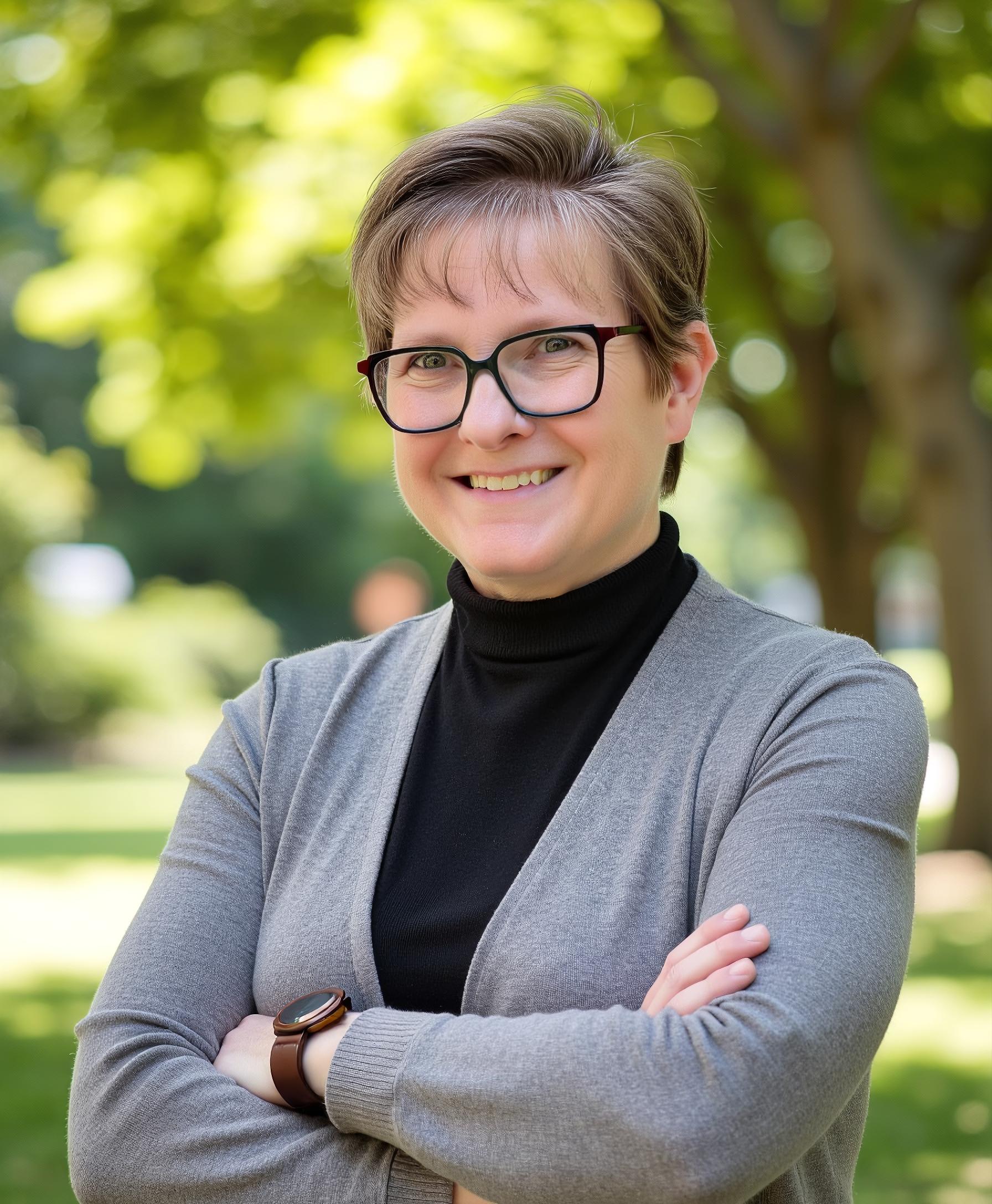
NC Council on the Holocaust Chair

Laurie Schaefer, a retired North Carolina high school English Language Arts teacher with 29 years of experience, has devoted her career to Holocaust education. She holds a Bachelor of Science from Appalachian State University, is a National Board Certified teacher, and is currently pursuing a Master’s degree in Holocaust and Genocide Studies at Gratz College. Laurie began teaching Elie Wiesel’s Night during her first year in the classroom and was trained at the United States Holocaust Memorial Museum’s Belfer Conference in 1996. In 2006, she was named a USHMM Museum Teacher Fellow and went on to present and mentor for eight years within the program. Appointed to the NC Council on the Holocaust in 2019, Laurie now serves as the Chair and leads the Council’s Program Planning Committee, which organizes workshops and webinars for educators across the state. She also manages the Council’s teacher website and was part of the six-member team that developed ELA curriculum resources and professional development for the Gizella Abramson Holocaust Education Act. In addition, Laurie serves as a facilitator for Echoes and Reflections and as an Education Consultant and Project Manager for Women of the Shoah in Greensboro. She has written and implemented a Holocaust elective course, led student and teacher tours to Holocaust sites in Europe, and continues her work as an independent contractor with several Holocaust education organizations.

Email: councilnews@ncholocaustcouncilworkshops.org 

Through its education and commemoration programs, the Council strives to help prevent atrocities similar to the systematic program of mass murder by the Nazis of six million Jews and other targeted groups, including Roma (gypsies), homosexuals, handicapped persons, and religious and political dissidents, from 1933 to 1945.

The primary mission of the North Carolina Council on the Holocaust is to educate North Carolina public school teachers and students about the facts and lessons learned from the Holocaust. The Holocaust Council also provides:

  1. Historical information regarding the Holocaust and antisemitism to public school students and teachers
  2. Lesson plans and teaching strategies for teachers on how to teach the history of antisemitism and the Holocaust.

The North Carolina Council on the Holocaust is the only state-mandated organization in North Carolina with the objective to educate the public about the Holocaust. Now, with the Gizella Abramson Holocaust and Genocide legislation (November 2021) in English and social studies, teachers in Grades 6-12 are required to integrate the teaching of the Holocaust into the curriculum. 

The council offers in-person and virtual workshops on a variety of topics about and related to the Holocaust. For in-person programs, the council will reimburse the substitute pay for a public school teacher to attend. The council also sponsors a number of traveling exhibits, such as the Kindertransport and Dr. Seuss exhibits. These exhibits are offered–at no cost– to teachers, schools, and public libraries The council is also able to offer a participation certificate that teachers may use to earn CEU credits for their teaching certificates.

Each year, the Holocaust is remembered with a national week of commemoration. The North Carolina Holocaust Commemoration features a guest speaker, presentations by public officials and local clergy, a candle-lighting ceremony, and Holocaust-related music performances. Over the years, featured speakers have included authors, video and documentary producers, professors, and Holocaust survivors.

Stay in Touch!
Sign up for our mailing list and receive a free download (PDF and Google Doc) for students to explore the United States Holocaust Memorial Museum via a virtual tour using Google Arts & Culture.